Grand Mercure Bangkok Atrium - Upscale hotels & resorts
- Sustainability


Sustainability
ACCOR GLOBAL SUSTAINABILITY PLAN
Hospitality is at the crossroads of many activities, making it an important vector for change. At Accor, we believe it’s our role to shape a more sustainable future of travel. While we’ve been a pioneer in bringing sustainable development to hospitality for more than 30 years, we are now accelerating our global sustainable transformation by building a model where we contribute more than we take and collaborating closely with our hotel owners and teams to embed sustainability across all our activities, with people and nature at the core.
GRAND MERCURE SUSTAINABILITY MANAGEMENT PLAN
Our area of focus

1. Our Purpose and Commitment
Mercure Bangkok Atrium is committed to operating responsibly and to continually improving the sustainability of its hotel operations. This Sustainability Management Plan (SMP) provides a long-term framework for decision-making and daily operations and addresses environmental, sociocultural, quality, human rights, health & safety, and risk & crisis management issues.
The Plan applies across hotel departments and covers employees, guests, contractors, suppliers and business partners where relevant. It is supported by hotel policies, Accor requirements, legal obligations, departmental procedures, training, inspections, audits, performance data and corrective-action processes.
2. Governance and Responsibilities
provides overall leadership and supports the integration of sustainability into hotel operations and decision-making.
- Executive Assistant Manager supports the General Manager in overseeing the implementation of the Sustainability Management Plan and coordinating sustainability priorities across operational departments.
- Quality Assurance Manager coordinates the hotel’s sustainability program and Green Team activities, including organizing meetings, training, reviewing sustainability performance, monitoring ongoing initiatives, identifying improvement opportunities.
- Department Heads implement relevant sustainability actions, communicate requirements to their teams, and monitor performance within their respective areas.
- Engineering manages energy and water performance, equipment efficiency, preventive maintenance, and related improvement projects.
- People & Culture supports responsible employment practices, employee development, well-being, diversity, inclusion, and community engagement.
- Purchasing and Receiving support responsible sourcing, product quality, and sustainable procurement.
- Kitchen, F&B and Stewarding manages food safety, sustainable food practices, food-waste reduction, and waste segregation.
- All employees are responsible for following the hotel’s sustainability, quality, hygiene and safety requirements and contributing to the hotel’s sustainability objectives.
3. Environmental Management
3.1 Environmental Policy
Grand Mercure Bangkok Atrium is committed to minimizing the environmental impacts of its operations through the responsible use of energy and water, waste prevention and reduction, recycling and resource recovery, pollution prevention, responsible chemical management, sustainable procurement, biodiversity protection, and the reduction of greenhouse gas emissions. The hotel complies with all applicable environmental legislation and continually monitors its environmental performance to identify opportunities for improvement.
3.2 Energy Efficiency and Climate Action
Our approach: We monitor energy use and implement practical efficiency measures to reduce consumption and greenhouse gas emissions.
- Energy consumption is monitored through the hotel’s utility records and GAIA sustainability reporting platform.
- Energy-efficiency initiatives are identified and monitored through the hotel’s GAIA Multi-Year Action Plan, including chiller system improvements, gas boiler efficiency, motion-sensor lighting controls, and Heat Fuse.
- Preventive maintenance is carried out on major equipment to support efficient operation, including air-conditioning and refrigeration systems.
- Lower-emission transportation options are supported where feasible, including electric vehicle charging and more sustainable guest transportation choices.
- Greenhouse gas performance is monitored through Accor/GAIA reporting, allowing the hotel to compare performance over time and identify reduction opportunities.
3.3 Water Stewardship
Our approach: We monitor water use, maintain water systems and implement measures to reduce unnecessary consumption while protecting water quality.
- Monthly water consumption is monitored using utility records and GAIA and reviewed against previous periods, relevant baselines and approved targets.
- Water-efficient fixtures and operating practices are used where technically and operationally feasible.
- Housekeeping and operational teams are encouraged to avoid unnecessary water use during cleaning and daily operations.
- Water systems are maintained through preventive maintenance, water-quality testing and relevant hygiene controls.
- Dual-flush toilet valves have been installed to reduce water consumption by allowing users to select an appropriate water volume for each flush, helping to conserve water.
3.4 Waste Reduction, Segregation and Recycling
Our approach: We follow the waste hierarchy by prioritizing waste prevention and reduction, followed by reuse, recycling and responsible diversion wherever practical.
- Waste is segregated into appropriate streams, including general waste, recyclables, food waste and hazardous waste.
- The hotel partners with Wake Up Waste for collection and reporting of recyclable materials.
- Recycling performance is recorded and reviewed monthly based on waste collection data and reports provided.
- Back-of-house waste segregation is reinforced through employee briefings and inspection of waste bins; incorrect segregation is communicated to relevant departments for corrective action.
3.5 Food Waste Prevention and Food Donation
Food waste is measured and reviewed so that operational teams can identify opportunities to prevent waste and divert safe surplus food.
- Food waste is weighed and monitored by category, including plate waste, clear buffet waste and preparation waste, to identify reduction opportunities and track performance.
- Food-waste performance is discussed with relevant teams to identify reduction opportunities, including portion management and production control.
- Plate waste has been identified as a major contributor and is therefore an important focus area for reduction.
- Safe surplus food is donated through SOS Foundation to support nearby communities. In addition, suitable surplus food is offered through Yindii at a reduced price, helping to prevent edible food from becoming waste.
3.6 Circular Initiatives and Reuse
Our approach: We look for practical ways to give materials a second use rather than sending them directly to waste.
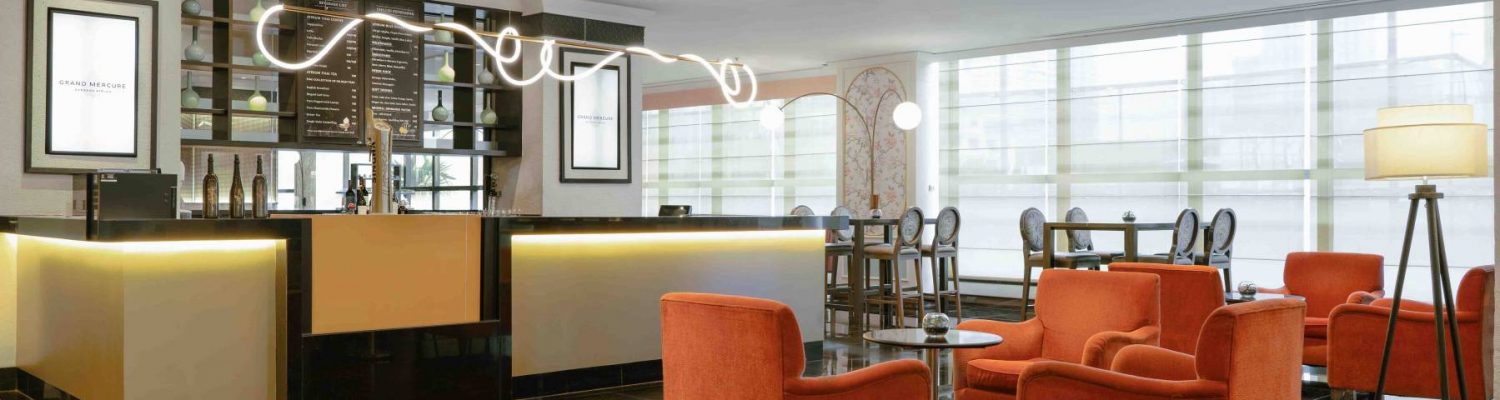
- Used coffee grounds from the Lobby Bar are dried, packed and shared for reuse; the hotel has distributed hundreds of bags through this initiative.
- Single-sided paper is reused for appropriate internal purposes across hotel offices before being sent for recycling.
- Used cooking oil is collected separately and transferred to an approved external collector for appropriate recycling.
- Damaged or no longer usable bed linen and towels are repurposed as cleaning cloths and distributed to relevant departments for operational use.
3.7 Sustainable Procurement and Responsible Food Sourcing
Our approach: Purchasing decisions consider quality, safety, environmental and social impacts in addition to operational and commercial requirements.
- The hotel’s Purchasing Policy includes human rights, anti-corruption, hygiene and quality, low-carbon considerations, biodiversity, single-use plastic reduction and reusable/recyclable packaging principles.
- New products and suppliers are reviewed against relevant sustainability, quality and safety criteria through product specifications, certifications, and supplier documentation.
- Suppliers are encouraged to minimize unnecessary packaging and to use reusable, returnable, recyclable or lower-impact packaging where operationally feasible.
- The hotel prioritizes locally sourced and seasonal food where feasible and considers responsible sourcing for high-use items.
- The hotel continues to reduce single-use plastics and promotes reusable or refillable alternatives where operationally feasible.
- Meeting and event operations promote lower-waste practices, including reduced stationery and responsible meeting consumables where practical.
3.8 Guest Environmental Awareness & Engagement
Our approach: We encourage guests to participate in the hotel’s sustainability efforts and make responsible choices during their stay.
- Guests are encouraged to participate in linen and towel reuse programs, to reduce water, energy and detergent consumption.
- Sustainability initiatives are communicated to guests through digital signage, encouraging energy and water conservation and responsible waste practices.
- Guest-facing teams promote local culture, attractions, food and responsible experiences that help guests connect respectfully with Bangkok and the local community.
3.9 Chemicals, Pollution Prevention and Biodiversity
Our approach: We control chemicals and operational activities to prevent pollution and reduce unnecessary impacts on people and the environment.
- Chemicals are stored in designated areas with labels, safety information and PPE available where required.
- Chemical spills and leaks are prevented through proper storage, labeling and handling, with spill response procedures and appropriate PPE available where required.
- The hotel uses Ecolab cleaning and hygiene products and prioritizes environmentally preferable or eco-certified products where they meet hygiene, safety and operational requirements.
- The hotel does not support the purchase, display or trade of endangered wildlife products.
- The hotel does not promote or sell tourism activities involving animal exploitation or inappropriate wildlife interactions, including forced animal performances, elephant riding and captive wildlife photo opportunities.
- The hotel does not support the introduction of known invasive plant species and avoids their use in landscaping.
- As an urban hotel, landscaping, exterior lighting and noise are managed with consideration for the surrounding environment and community.
4. Sociocultural Management
4.1 Employee Development, Diversity and Inclusion
Our approach: We provide a fair, respectful and inclusive workplace that protects employee rights, supports development and promotes equal opportunity.
- The hotel promotes local employment and provides fair and equal employment opportunities without discrimination, in line with Accor’s employment principles.
- Equal opportunity and inclusion are promoted regardless of gender, disability, social, ethnic, racial or cultural background, sexual orientation or gender identity.
- Employees receive orientation and role-related training based on a monthly training schedule coordinated by the Learning & Development Manager.
- Training and development opportunities support employee competence, career growth and internal mobility.
- Employee engagement and well-being are supported through appropriate People & Culture initiatives.
4.2 Community Engagement and Social Impact
Our approach: We build relationships with local organizations and use hotel resources and employee participation to support community needs.
- GMBA supports youth education and career development through initiatives such as iCare, including career sharing, scholarships and employment opportunities for participating youth.
- The hotel supports Mercy Centre and local schools through hospitality learning, career activities and youth engagement.
- The hotel participates annually in Children’s Day activities at Wat Uthai, providing games, prizes and meals for children.
- Surplus food is donated monthly through SOS Foundation to support nearby communities.
- Community and environmental initiatives include bottle-cap donations to the Pollution Control Department, blood donation, other donation programs and employee volunteering.
4.3 Local Culture and Guest Experience
Our approach: We encourage guests to experience Bangkok and Thai culture responsibly and respectfully.
- Guest-facing teams provide information and recommendations that help guests explore local attractions, culture, food and communities.
- Thai culture, local experiences and responsible guest practices are promoted through in-room digital signage.
- The hotel does not purchase, sell or display prohibited or illegally traded cultural artifacts, wildlife products or other protected items.
- Guest communication encourages responsible behavior and respect for local communities and cultural places.
5. Quality Management
Our approach: We monitor guest experience and operational standards through feedback, inspections and audits to identify gaps and drive continuous improvement.
- Guest feedback, complaints and satisfaction results are regularly reviewed during the monthly Operations Meeting.
- Operational standards and procedures are monitored through inspections and audits.
- Service or operational gaps are investigated and corrective actions are assigned where necessary.
- Significant or recurring issues are followed up with relevant Department Heads to ensure improvement.
6. Human Rights and Ethical Conduct
- The hotel follows Accor human-rights principles and applicable labor laws and regulations.
- Forced labor, child labor, exploitation, discrimination, harassment and retaliation are prohibited.
- The hotel promotes local employment and provides fair and equal employment opportunities without discrimination.
- The hotel supports child-protection principles and the Accor WATCH program.
- Anti-bribery and anti-corruption requirements apply to employees and relevant business relationships.
- Employees have channels to raise concerns or grievances through monthly welfare meetings, management and People & Culture.
7. Health & Safety Management
7.1 Occupational and Guest Safety
Our approach: We identify hazards and maintain controls to protect employees, guests, contractors and visitors.
- Operational areas are inspected for safety risks and required corrective actions are communicated to responsible departments.
- PPE is provided in relevant workshop, mechanical, chemical-storage and other risk areas and employees are expected to use it correctly.
- Preventive maintenance is carried out for facilities and safety-critical equipment.
- Incidents and accidents are reported, investigated and followed by corrective actions where required.
- Guest accessibility and safe movement through the property are considered in operational reviews.
7.2 Food Safety and HACCP
Our approach: Food safety is managed through the hotel’s HACCP system, monitoring records, inspections, training and verification.
- The hotel maintains HACCP certification and follows defined food-safety procedures and records.
- Internal HACCP inspections are conducted monthly.
- Critical food-safety controls are monitored in accordance with the hotel’s HACCP procedures.
- Microbiological food, food contact surface testing is used where required to verify hygiene controls.
- Food handlers receive food-safety and allergen training, including the use of allergen matrices, prevention of cross-contact, and accurate communication of allergen information.
7.3 Hygiene, Sanitation, Water and Chemical Safety
Our approach: Cleaning, sanitation, water hygiene and chemical controls are maintained to protect guests and employees.
- Cleaning schedules and sanitation procedures are maintained for kitchens, public areas, guest areas and employee facilities.
- Sanitizer concentration is verified using appropriate test methods and required contact times are followed.
- Dishwashing and hot-water temperatures are monitored in relevant food-preparation and sanitation areas.
- Water-quality testing and relevant Legionella prevention controls are maintained according to hotel procedures and applicable requirements.
- Chemical rooms and storage areas are equipped with appropriate PPE, labels, and safety information.
- Pest-control inspections, treatment records and bait maps are maintained and reviewed.
8. Risk, Crisis Management and Emergency Preparedness
Our approach: We maintain effective emergency preparedness and response measures to protect our guests, employees, property and operations during emergencies and crisis situations.
- The hotel maintains emergency and crisis procedures appropriate to its operational risks, including fire, evacuation, medical emergencies, security incidents and other significant events.
- The hotel follows Accor ALERT requirements and protocols for crisis preparedness, escalation, communication and response.
- Designated emergency response teams are established and trained to respond to different types of emergencies and crisis situations.
- Fire detection, emergency exits, emergency lighting, firefighting equipment and other safety systems are inspected and maintained.
- Fire drills and evacuation exercises are conducted in accordance with hotel procedures and legal requirements.
- Significant incidents, emergencies and drill outcomes are reviewed and corrective actions are implemented.
Grand Mercure Bangkok Atrium ☆☆☆☆☆
1880 New Phetchaburi Road, Bang Kapi, Huai Khwang, 10310 Bangkok
Thailand
Tel: +66 27182000
Email:
HC0Y8@accor.com














Follow us
Stay in touch and connected to all the news and happenings.